Hedgehogs: Health

hh
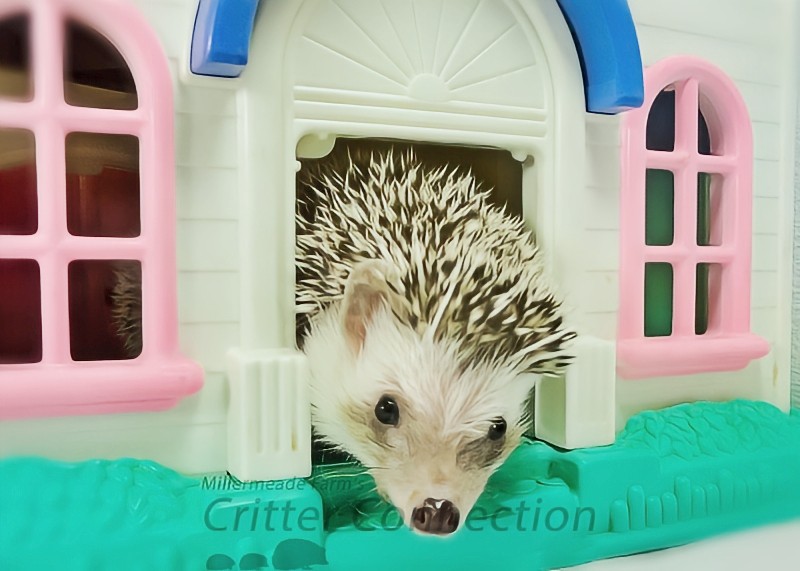
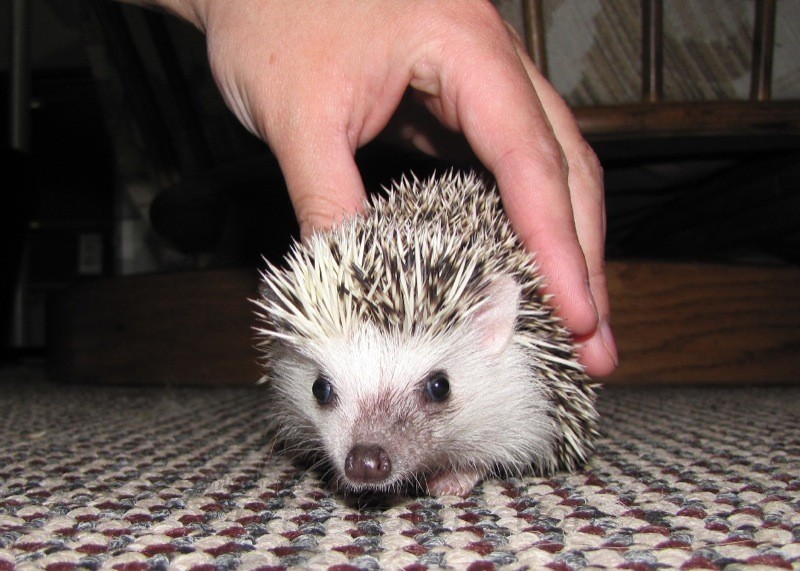
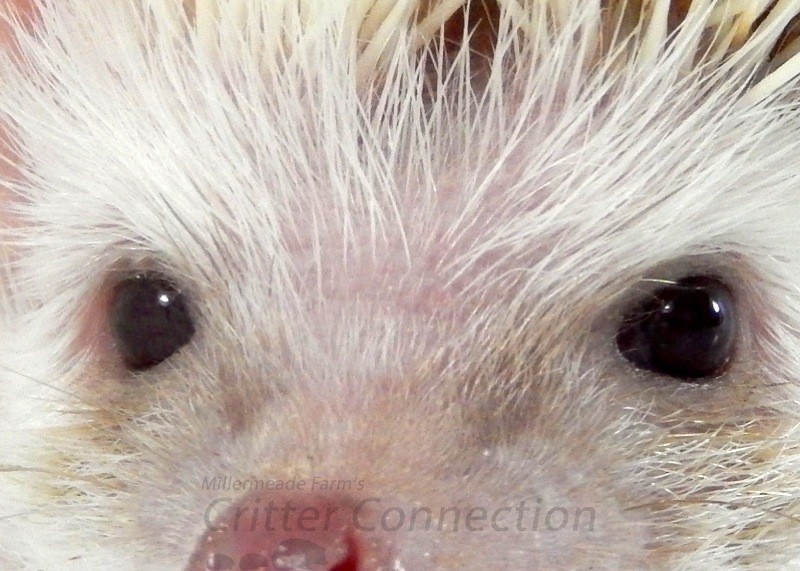
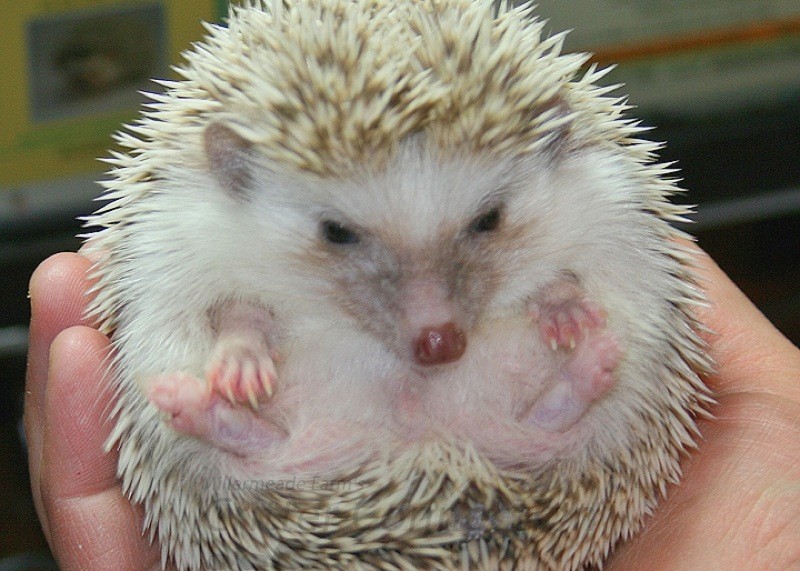
  • Check its eyes to make sure they are bold, clear, round, and bright. The eyes should be wide open. The eyes should not be watery or sunken, dull, or have any discharge.
  • The hedgehog’s nose should be moist and clean. It should not be dry, bubbly, or running.
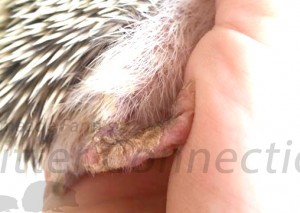
  • Your hedgehog’s ears should be clean with no drainage, crustiness, or flaking on the outer part of the ear.
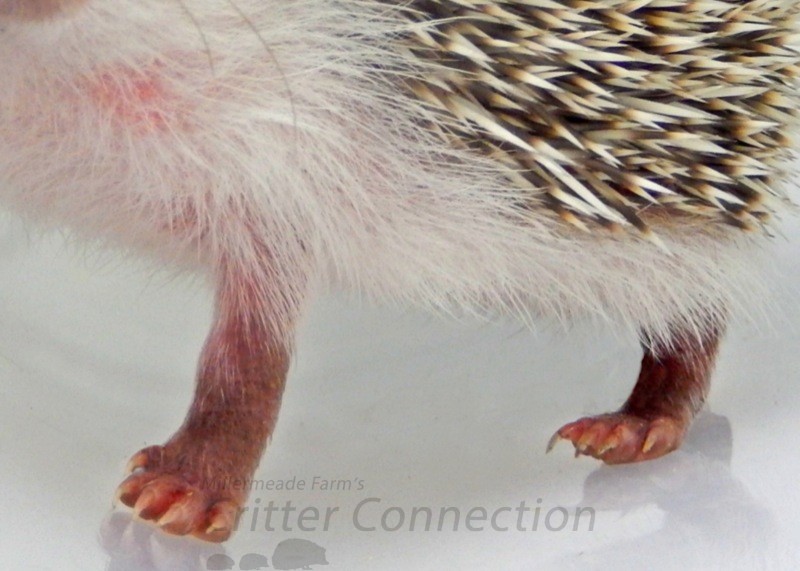
  • Check the skin to make sure there are no abrasions, lumps, bumps, excessive dryness, bare patches, or signs of mites.
  • The underbelly fur should not be matted.
  • The hedgehog’s body should be filled out through the back and sides.
    • Some hedgehogs have a streamlined appearance, but their skin should not be loose and they should be filled out below the ribs.
    • Other hedgehogs are plumper but they should not be so fat that they cannot easily roll into a ball.
  • Breathing should be regular with no wheezing or signs of stress. Do not confuse the normal hedgehog huffing for the rattle of a respiratory illness.
  • Notice the amount of food and water consumption from the previous night and has the hedgehog gained or lost a significant amount of weight.
  • The hedgehog’s bowl movements should be similar in color to the hedgehog’s food. Green droppings or diarrhea are signs of illness and stress.
  • Your hedgehog should move freely without limping, wobbling, or dragging its feet. A hedgehog’s normal gait will create a “pitter-patter” sound.

Good Health


Dry Skin

Primary Author: Gail Dick, Millermeade Farms

Edited by: Shelly Fowler, Beach Bum Hedgies

Last Updated 8/24/10

Signs and Symptoms

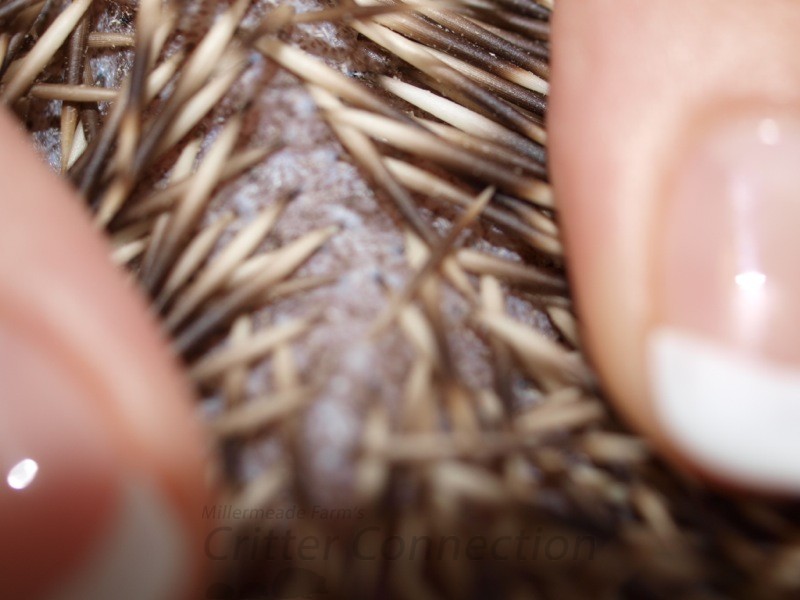
Hedgehog showing dry skin

You can see small bits of normal dry skin in the forehead furrow of this hedgehog. A bath and gentle scrubbing with a toothbrush will remove the dry skin.
Picture of Koda Krause

  • Hedgehogs can have varying degrees of dry skin just like humans.
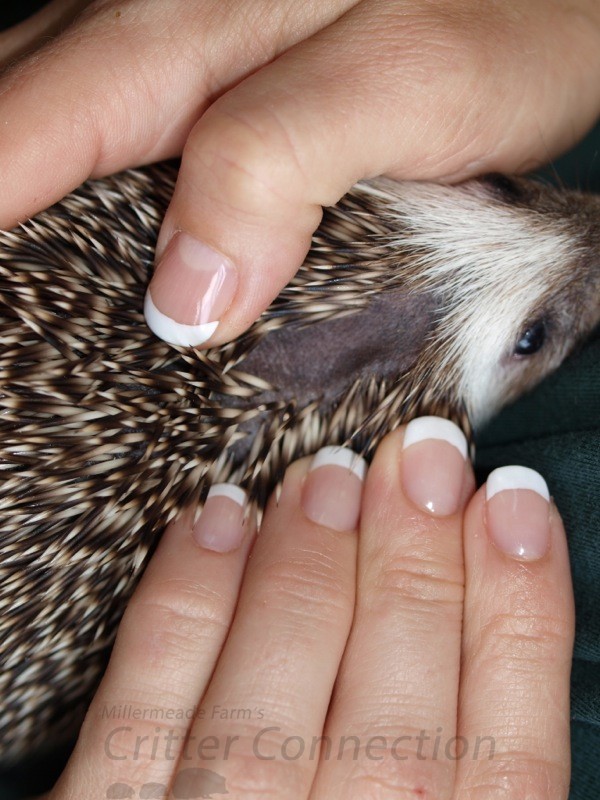
  • The easiest place to observe dry skin on a relaxed hedgehog is at the forehead furrow.
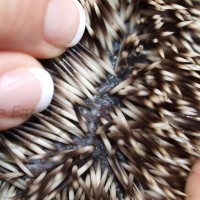
  • Dry skin may also be clearly observed on a balled up hedgehog right over the center of the back.
  • Dryness may range from a slightly scaly appearance to visible flaking of shedding skin cells
  • Bedding dust may be confused with dry skin depending on the type of bedding used.
  • Hedgehogs with dry skin often scratch because of the skin irritation but not all hedgehogs that scratch have dry skin.

Causes

  • Low humidity, diet, allergies, fungus, type of bedding used, mites, too frequent bathing or just the general nature of hedgehogs may cause dry skin.
  • In order to treat the dry skin, it is necessary to learn the cause of the problem.
  • Several factors may contribute to the dryness, but the problem will not be completely eliminated without treating the specific problem. The first step in treatment is to look at a clean, completely dry hedgehog. Our Bathing guide describes how to bathe your hedgehog as well as simple skin care tips.
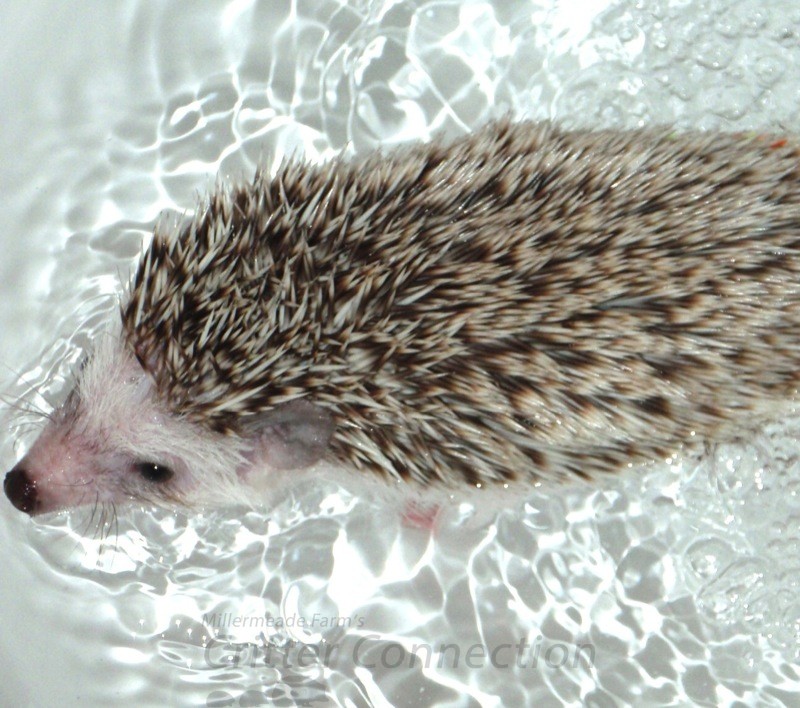
  • In many cases an oatmeal bath as described below, will clean and soothe the skin, and no other treatment is necessary
  • Varying degrees of quill loss may also be associated with dry skin. Quill loss and dry skin may indicate a mite infestation or fungal infection but is not always the case.
  • A veterinarian can rule out mites by observing skin scrapings under a microscope and performing a simple fungal test.

Diagnosis

  • Again, we recommend giving your hedgehog a bath and if the problem persists a trip to the veterinarian is necessary.
  • Mite infestations can continue to cause more skin and quill damage if not properly treated.
  • As noted on Hedgehog Wiki 5/14/09 using dry skin remedies when the hedgehog has fungus can make the fungus worse as some of the remedies may trap the fungus in the skin.
[back to top]

Treatment

Oatmeal Baths
  • Oatmeal is a natural skin-softening agent that will not hurt your hedgehog.
  • You can make homemade oatmeal soak by placing a handful of uncooked regular oatmeal (not quick oats) in cheesecloth, panty hose, sock, or a baby washcloth tied with a rubber band (Marie Toth), and hold it under the warm, running water. Squeeze the oatmeal to release the milky colored emollients into the water. Oatmeal soaks are great for dry skin.
  • Aveeno brand soap and shampoo can be found at many stores and other natural, oatmeal-containing products can be found at health food stores.
  • More detailed bathing instructions can be found in our Bathing guide.
Skin Topicals
  • At Millermeade Farms we have had a lot of success using olive oil for dry skin associated with bedding dryness and quilling.
    • We put a total of four to five drops of olive oil directly on the hedgehog's skin between the quills to help sooth some of the dryness.
    • We use Extra Virgin Olive Oil because that is what we use in our home.
    • Either an eye dropper or a syringe (without the needle) works well to drop the oil directly on the skin.
    • Olive oil treatment can be repeated every 2-3 days as necessary.
    • It is important not to add so much oil that the skin appears oily
    • In addition to being a natural, hypoallergenic way to moisturize skin, extra virgin olive oil has the added advantage of providing strong antioxidants. http://www.oliveoilsource.com/page/beauty-and-olive-oil#Ski
  • Other hedgehog owners have had success using:
    • Vitamin E (Human Vitamin Gel caplets squeezed onto the skin. Many owners put a drop behind each ear after a bath.)
    • Pure glycerin (use sparingly since it is strong and too much can dry out skin)
    • Rain® (A topical spray of naturally soothing aloe vera distillate in water. Purchased through a veterinarian)
  • Do not use a Tea Tree Oil based shampoo or oil as this is EXTREMELY toxic to hedgehogs. (Hedgehog Wiki 5/14/09
  • Do not use Vitamin E beauty products as these could contain other poisonous chemicals such as tea tree oil or grape seed oil. It is not known if grape seed oil is toxic to hedgehogs, but grapes are poisonous to hedgehogs. (Hedgehog Wiki 5/14/09)
Food Additives
  • Some hedgehog owners have found that food additives or supplements may also help improve skin quality.
  • We suggest using food additives or supplements only under veterinary supervision.
  • The following information is a summary of products used by other hedgehog enthusiasts but we cannot personally recommend any of the following products from our own experience.
Flax Seed Oil
  • Flax Seed Oil is reported to help dry skin, aid in digestion, and is beneficial for overall good health.
  • It can be purchased at any health food store.
  • It should be refrigerated.
Specturm Essental Organic Oil
  • This product contains Omega 3, 6, and 9 fatty acids.
  • It is found in the refrigerated section of some health food stores.
  • Only one small drop per day is necessary while the problem persists then only a couple times a week on a maintenance level.
Fish Oil Concentrate with Omega 3 Fatty Acids
  • One drop added to the food two or three times a week is a typical recommended dose.
  • It will most likely take about one month to show improvement.
  • The fish oil is a+lso good for the heart It must be kept refrigerated and tightly sealed or it will go rancid.
Missing Link Supplement
  •  
Sunshine Factor
  • Hedgehog owner Louisa Krause has noticed a difference in her hedgehogs skin using Sunshine Factor on her hedgehogs food. She only needs to give her hedgie, Koda, a bath when he is really dirty or every couple of weeks instead of weekly. She gives Koda a bath to get rid of the dry skin flakes and apply new oil. Koda is veterinarian checked to be mite free; he just has dry skin due to quilling. Other owners have had good luck using sweet almond oil or cod liver oil added to the hedgehog's food.

Winter Dryness

  • A humidifier may help the humidity level in the winter months.
[back to top]
hh

A good veterinarian is your best ally to assist you in keeping your hedgehog healthy so that it may live a long and full life. We strongly encourage you to develop a relationship with your veterinarian long before a medical emergency arises.

New-Pet Veterinary Visits

  • We encourage our customers to take their pet hedgehog in for a new-pet visit two to four weeks after bringing their pet home. Your new hedgehog should be well adjusted to you and easy to handle.
  • This visit introduces you to your vet and your vet to your new pet. Few veterinarians have specific training on hedgehogs so it is important to find a veterinarian that has experience or is comfortable learning about the challenges a prickly client may present.
  • Your dog and cat vet may be fantastic with your hedgehogs or you may find that an experienced exotic vet may be more helpful.
  • Your new pet should be growing and progressing through the quilling process. Your vet will be able to compare your hedgehog when it is healthy and in good condition to changes that may occur during a time of illness. It may be a good idea to take a picture of your hedgehog for its file.
  • This is a good time to learn about the clinic and their policies. Who you should contact in an emergency and the prices of their services.

Annual Well-Pet Visits

  • Annual well-pet visits are also strongly recommended. The general rule of thumb when treating any medical condition is that it is easier and safer to treat the beginning of a problem than a problem that has had time to grow or spread.
  • Hedgehogs, like many other small animals, naturally hide illnesses or problems for as long as possible. Sick or injured animals are the easiest prey and so small animals have become quite adapt at camouflaging their weaknesses.
  • Your veterinarian should first do a visual inspection of your pet as described in our Signs of Good Health guide.
  • Some veterinarians do standard fecal testing and others check stool samples only if a problem is indicated. Many pets of all types can harbor some parasites without ever showing any signs or symptoms. Parasites can be picked up from the outdoors, insects, or other pets and can be considered harmless in a healthy pet in small amounts.
  • A skin scraping may be done on dry or flaky skin to look for mites.
  • Hedgehogs should have their teeth checked for tarter build up, decay, or other signs of wear or missing teeth. Diet changes may be prescribed depending on dental health.
  • The veterinarian should gently palpate all areas of the hedgehog's body to identify swellings, lumps, or any other abnormalities.
  • Hedgehogs that are not comfortable with the veterinarian's handling may require a gentle sedation to allow the exam.
  • Aging hedgehogs or hedgehogs that have suspected problems may require an X-Ray to complete a thorough assessment of the hedgehog's health.

Shots, Vaccinations, or Worming

  • Hedgehogs do not need annual shots or vaccinations as do cats, dogs, and some other animals. Hedgehogs are not known to carry diseases such as distemper or rabies that they should be vaccinated against.
  • Hedgehogs that play outdoors or eat insects that were wild caught should be treated for parasites. You will need to talk to your vet about a prevention or treatment plan just as you would your other pets that spend time outdoors.
  • Most hedgehogs will have to be treated for mites at least once in their lifetime. Mites can be found in bedding, food, and other animals. Some mites may live in low numbers undetected on you pet until another stressor weakens the hedgehog's immune system and the mites then become a problem.

How to Find an Exotic Veterinarian

  • Not all veterinarians are experienced with hedgehogs or will accept them as clients.
  • Several internet websites are dedicated to listing qualified veterinarians and Google searches will often help to identify exotic veterinarians in your area.
  • Referrals from other veterinarians are also excellent ways to track down an exotic vet in your area.
[back to top]
hh

In the Wild

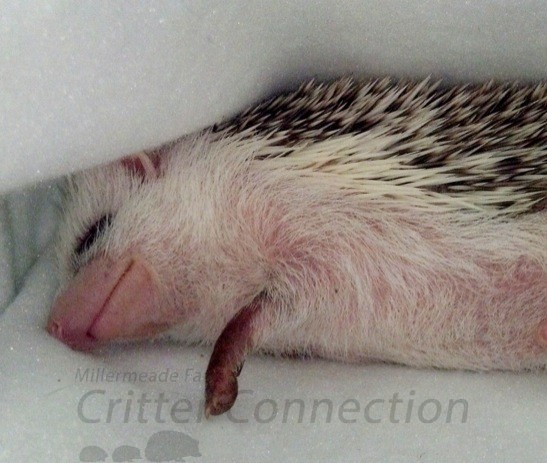
  • Some species of hedgehogs hibernate in the wild when the temperature becomes too cold. They spend the warmer months building fat reserves to sustain them through their periods of in activity.
  • Other species of hedgehogs in the wild may go into a dormant period of activity called estivation when the weather is too hot and dry in the summer.

In Captivity

  • Hedgehogs in captivity also can go into periods of partial-hibernation when the temperatures are too cool but it will not be a true hibernation.
  • These hibernation attempts for the pet hedgehog are very dangerous because your hedgehog is likely to simply waste away and die.
  • Estivation attempts are rare for pet hedgehogs but are equally as dangerous.
  • Hedgehogs living in captivity should be kept in a controlled environment to prevent hibernation or estivation.

Signs and Symptoms

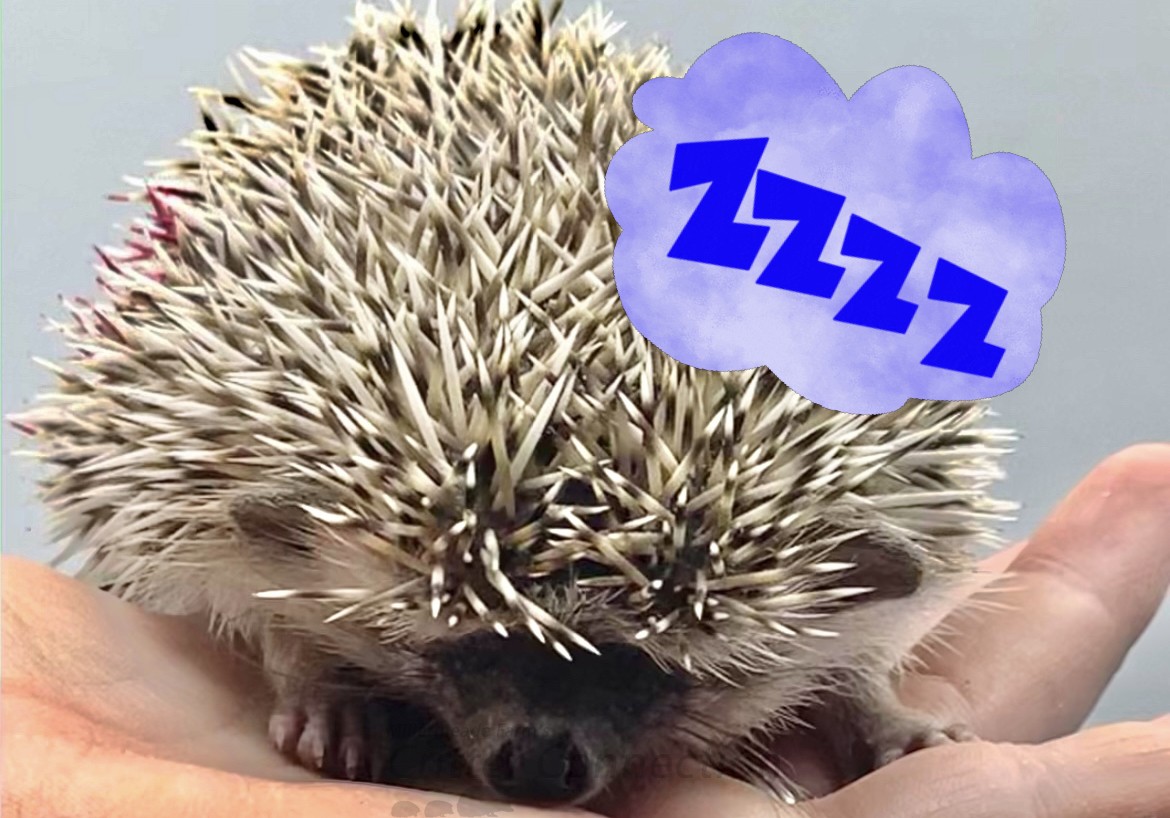
  • The hedgehog is cool to the touch.
  • Hedgehogs may become lethargic to the point it may not unroll or they may not be able to roll up at all.
  • Wobbly on its feet if it does unroll.
  • Decrease in appetite or complete cessation of eating.

Cause

  • A decrease in ambient room temperature or a draft can cause your hedgehog to become too cool and start the hibernation or slow down process.
  • Hibernation can be induced at temperatures as low as 68˚F.

Immediate Treatment

  • It is very important to start to warm your hedgehog immediately but very slowly.
  • You can place your hedgehog under your shirt next to your body. This method is probably the prickliest but the safest, and quickest. You will know your hedgehog is warmed up and ready to go when it starts moving around and you can't keep it in one place.
  • You can also warm your hedgehog on a heating pad or by wrapping it in towels warmed in the dryer.
  • NEVER LEAVE UNATTENDED WITH A HEATING PAD. Serious burns and death may result

Veterinary Treatment

  • Once you have begun to warm up your hedgehog take your hedgehog to a vet to determine it is truly due to hibernation and not a life-threatening illness.
  • Delay in care for many illnesses can results in death.
  • It is best to have an exotic vet lined up in advance so that when you need their assistance you will be able to get your hedgehog the care it needs more quickly.
  • Not all veterinarians treat hedgehogs and others may not take emergency cases.

Long Term Treatment

  • Once your hedgehog is warmed up and active again you will need to take extra precautions to ensure that this doesn't happen again.
  • Increase the room temperature if at all possible and monitor for fluctuations during the day and night.
  • Check for drafts in the room by lighting a candle and watching for a flicker in the flame. Drafts may only be an issue with high winds if your cage is near a leaky window or drafts can occur from heating or cooling vents.
  • You can add heat to the cage by using a Snuggle Safe Disc (Puppy Warmer that is microwaveable and good for 12 hours), a reptile heating pad that adheres to the bottom of the cage, or a black or red heat bulb over the cage.
  • Avoid the human grade heating pads that turn off after a certain length of time and reptile heat rocks that can get way to hot to the touch.
  • The best way to monitor the daily high and low of the temperature in your hedgehog's cage is a digital High/Low thermometer that can be purchased at stores such as Radio Shack.
  • It is also important to maintain regular day and night light cycles. Use a light during daylight hours if natural sunlight is not enough.
[back to top]
hh

Natural Longevity

  • Hedgehogs typically live two to three years in the wild. The most common cause of death in the wild is due to predation rather than age.
  • Various resources report a relatively wide range in the maximum life expectancy of hedgehogs kept as pets.
  • Hedgehogs can live up to 10 years in captivity, but those hedgehogs are few and far between. A 10-year-old hedgehog would be as rare as 104-year-old grandma.
  • Some believe the hybridization of the Algerian and White Bellied species resulted in a more resilient hedgehog that lived longer. After several generations, hybrid offspring's longevity began to more closely compare to the original bloodlines. This is called the Founder's Effect and can be seen in other animals as well.
  • A 5-year-old hedgehog is about 76 in people years, so if your hedgehog lives 5-7 years it has lived a full life but five years is longer than the national average.
Hedgehog Age in Calendar Years Equivalent Human Years
2 months 10 years
6 months 20 years
14 months 30 years
3 years 40 years
3 years and six months 50 years
3 years and 8 months 60 years
4 years and 2 months 70 years
5 years and 4 months 80 years
6 years and 2 months 90 years
7 years and 8 months 100 years
*adapted from Laura Ledet's website

Average Life Expectancy of Pets

  • According to the article "Mortality and Longevity, Update! Boys vs. Girls" found in the September to December International Hedgehog Association Newsletter, "There is no statistical difference in life expectancy between male and female hedgehogs. The average Hedgehog Lifespan is 38.5 months as of July 27, 2005." (Graesser)
  • Ideally, hedgehogs will live 5-7 years but the study mentioned above indicates the average pet lives less than the ideal life span.
  • Many factors contribute to the overall health, well-being and life expectancy of a hedgehog.
  • Genetics and the general nature of hedgehogs certainly play a significant part in a hedgehog's lifespan but other controllable factors also contribute to the longevity of pets.

Some of the other variables affecting longevity include:

  • Diet
  • Exercise
  • Bedding
  • Breeding
  • Stress Level
  • Quality of Life
  • Accident or Injury
  • Disease or Illness
  • Level of Veterinary Care

Diet

  • Diet is a key variable that can increase or decrease the life of your pet. All living things need the proper balance of nutrients to maintain and a healthy life.
  • Animals with poor or bad nutrition will not grow and develop as well as animals fed a nutritionally sound diet, are at risk for diet related illnesses, and are less resistant to other diseases or opportunistic pathogens.
  • Our Nutrition Overview describes some hedgehog foods and treats that can be dangerous or harmful to your pet.
  • Our Diet Recommendations will help guide you to choosing a nutritionally sound diet plan for your pet.
  • Unfortunately, the best hedgehog diet is still unknown. Some hedgehogs have been known to live a relatively long time on what most would consider a poor diet.
  • Other hedgehogs can develop diet related illnesses on what many would consider a nutritionally sound diet plan.
  • The best diet plan is one that has been proven effective on a large number of animals over many years.

Exercise

  • Hedgehogs in the wild are known to travel great distances in search of food. Many captive bred animals will log many miles on their wheel each night.
  • The benefits of exercise in humans and other mammals has been tested and documented through countless research studies around the world.
  • Simple things hedgehog owners can do to promote exercise are to providing ample cage space, a wheel, and play time out of the cage.
  • Hedgehogs that receive plenty of exercise are likely to be healthier and happier pets.

Bedding

  • Hedgehogs are relatively close to the ground and are in constant contact with their bedding.
  • Keep in mind a hedgehog's nose is only a mere inch or so off its bedding at any given time. The air a hedgehog breathes can be quickly contaminated by its bedding.
  • Soft wood beddings such as pine and cedar contain aromatic hydrocarbons that known to cause respiratory and other illnesses.
  • Dusty or other aromatic beddings can also lead to respiratory problems.
  • Many types or brands of beddings are labeled as "safe if ingested" but this is true in only in small amounts. Hedgehogs have been known to eat unusually large amounts of bedding especially when switching brands or types of bedding. Ingested bedding can lead to impactions or other complications.
  • Some bedding choices can cause skin irritations or allergies which can result in secondary infections.
  • Dirty or unkempt cages are dangerous because of the buildup of ammonia and the increased risk of bacterial contamination.
  • Improperly stored or handled bedding may contain mites, mold, bacteria or other pathogens.
  • Our Bedding guide is a thorough review of the various types of bedding commonly used in the hedgehog community.
  • Unfortunately the perfect bedding has yet to be found but your pet will certainly benefit from a wise bedding choice.

Genetics

  • Hedgehog breeders undertake a responsibility to produce healthy animals through proper breeding practices.
  • Methods and styles of breeding can be debated at length and are a hot topic in the production of any animal.
  • Cross-breeding, line-breeding, and even some in-breeding practices have the merits and downfalls.
  • Careful selection of breeding stock is not only beneficial to the breeder but to their customers as well.
  • Years of breeding and showing countless rabbits gave me first hand experience in this particular area. I quickly learned that to produce quality rabbits it is important to start with quality rabbits, but two winning show rabbits won't always produce winning offspring.
  • Unfortunately, reproduction is a gamble with living things. Congenital birth defects can happen at any time without warning and genetic trends in bloodlines may take years to show or develop.
  • Buying from a breeder who is knowledgeable in this area and concerned about the animals they produce is important but certainly not a guarantee to long longevity.

Breeding

  • Breeding a female greatly increases the risk of health complications and even death.
  • Complications can occur at any point from breeding through the nursing process.
  • Breeding is a stress on the hedgehog's body and when the hedgehog's immune system is down opportunistic infections can occur.
  • Certainly having babies is a natural process and necessary for perpetuation of the species but one must be prepared and aware of the risks when undertaking this challenge.

Stress Level

  • Stress can be caused from anything that is unpleasant to your hedgehog.
  • Certainly some level of stress is unavoidable but constant stress is certainly not good for animals or humans alike.
  • Signs and symptoms of stress can include "nervousness", "grouchiness", or change in stools.
  • Hedgehogs have extremely good hearing so sounds that we don't notice may be extremely noxious to your pet.
  • Ways hedgehogs are handled can also be stressful. Not all hedgehogs make good classroom pets or educational animals.
  • Unfortunately some owners abuse their pets without realizing their cruelness. I doubt any hedgehog enjoys being rolled like a ball but sadly this has happened to countless hedgies because their defense mechanism allows it.

Quality of Life

  • Studies show in both humans and other animal that happiness is one key to a long and fulfilling life.
  • Attention and environmental enrichment will both contribute to increased happiness and better health.
  • Animals that are left alone with little care or attention and in a small space are less active and tend to have more health complications.

Accident or Injury

  • Accidents or an injury can happen even with the best of care or safest of conditions.
  • Sometimes the damage as a result from a fall, accident or injury may not have immediate results but can cause internal damage undetected by the naked eye.
  • Other times hedgehogs cause themselves harm by eating things that can be toxic to them, falling off of something, getting lost or trapped outside their cage, or injuring themselves within their cage.
  • Choosing cages and accessories wisely as well as supervising all play will certainly help decrease the chances of problems but sometimes fluky accidents happen.

Disease or Illness

  • Animals and people alike are exposed to bacteria, parasites, and other potential pathogens throughout our daily lives.
  • Strong immune systems, washing hands, eating healthy, and practicing good hygiene all help ward off disease and illness but at some point in our lives and our pets lives illness is likely to occur.
  • Each animal and person has their own normal flora of bacteria on and in their body. When new bacteria are introduced or normal bacteria exceeds its normal limits illness is likely to occur.
  • Many of the same diseases or illnesses that are common to humans are also common to hedgehogs as well. Respiratory infections, urinary tract infections, cancer, and digestive disorders are all possibilities.

Level of Veterinary Care

  • The general rule of thumb with any medical care is that it is much easier to treat a small problem than to treat a large problem.
  • Obviously, hedgehogs can't communicate the way we can and may even hide early signs and symptoms of illness. Sick or injured animals are easy prey for other animals so most animals have adapted to hiding problems.
  • Changes in behavior are usually the first sign that something may be wrong.
  • We strongly recommend well-pet visits 2-4 weeks after obtaining your new pet. Your pet should be comfortable with you and easily handled so that it can be examined more thoroughly.
  • Building a rapport with your vet and having a plan for emergencies will greatly increase your chances your chances of successful treatment.
  • Waiting until you have an emergency or until your hedgehog is very ill is not the time to start your search for a veterinarian. A quick check in the beginning may save your pets life.
  • Annual well-pet visits are also recommended because a trained veterinary professional may be able to spot a problem that may be unnoticed by the average pet owner.

Example

  • When people start to feel sick they can begin taking action to start healing. For instance, some of the first signs of a urinary tract infection are frequent urination and pain while urinating. When a person begins to notice these signs some people are able to ward off the infection by drinking lots of cranberry juice and others visit their doctor and receive a prescription for an antibiotic. Early detection and treatment can prevent much more serious and even more painful problems.
  • The first sign of a urinary tract infection in hedgehogs may be a change in elimination habits. This subtle clue may be missed by all but the most attentive hedgehog owners, and not all changes necessarily indicate a problem. A urinary tract infection in hedgehogs is also relatively simple to treat but as the infection spreads through the hedgehog's system it becomes much more dangerous and difficult to treat.
  • An infection that is relatively common and easily treated can become dangerous and even life-threatening if not detected at an early stage.

Summary

  • As with human longevity, many factors help determine why some pets live longer than others.
  • Choosing a good diet and housing as well as providing love and attention to your pet will certainly help to extend the life of your pet.
  • Our Aging Hedgehog guide is designed to help you recognize and deal with many of the process and problems that can occur with aging.
  • Losing a pet is never easy but is inevitable in the circle of life. We encourage you to document your hedgehog's life with pictures and writings of the fun and enjoyment you had with your pet throughout its life.
  • We hope that you will take the time to complete our new Longevity Survey. By doing so you will help increase our knowledge of hedgehogs as pets.
[back to top]
hh

Spines Versus Quills

  • One of the most confusing and most common misnomers used when talking about hedgehogs is the exchange of the terms spines and quills.
  • Hedgehogs technically have spines and NOT quills.
  • Spines are hardened hairs that have a solid center and are tapered at both ends.
  • Spines fall out and are replaced over the entire course of a hedgehog's life just like dog's, cats, and humans.
  • Quills are hollow (like the shaft of a feather), have barbs on the end, and can be released at will.
  • Hedgehogs cannot shoot quills or detached quills like a porcupine.
  • Now that you know the difference between spines and quills, we'll be sure to confuse you by continuing to use the terms interchangeably!

The Process of Quilling

  • There are times when a hedgehog will shed large numbers of spines which is a process called quilling. It is a natural process similar to other animals that change coats during different times of the year.
  • Spines shed out naturally during adolescence and several other times during the hedgehog's life.
  • Spines that are shed naturally have a root or bulb at the end (like human hair) but spines that are shed due to a skin condition or mites tend to have a flaky or soft tip on the end of the spine.
  • Hedgehog resources report various ages when the quilling begins and how frequently it happens.
  • We have noticed that some colors of babies have much thinner spines at age six weeks than other babies of different colors. Not only are the spines themselves smaller and more delicate but they are fewer quills especially over the back and rump.
  • Most quilling typically occurs first at around six to eight weeks of age and again at around four months.
  • The first quilling is often distinguished by the loss of small fine quills and the growth of new quills. New quills can most easily be seen on a relaxed hedgehog looking down the spine and over the rump. They will be thicker new quills beginning to poke through the skin surface.
  • Quilling is often equated with the "Terrible Twos" or "Adolescents".

Problems During the Quilling Process

  • A good comparison to quilling struggles is to think about threading shoelaces into a tiny hole in a new pair of shoes. You might first have to shove the tip of the shoelace into the new hole quite forcefully to get it to start to go through. Once the new hole is widened the lace fits through more smoothly.
  • Baby quills are much smaller and thinner than adult quills. The new quills must work their way up through holes left behind from former quills.
  • Hedgehogs with extremely coarse spines seem to have the toughest and longest adjustment to quilling.
  • The longer, thicker and bigger spines are found around the skirt (just above the fur line) and around the ears. White quills on snowflake patterns also tend to be bigger and thicker than other quills.
  • A spine that has trouble coming out is similar to an ingrown hair. You will be able to see redness, swelling, or scabbing at the base of the quill.
  • These spines may need to be gently pulled and the area washed with a gentle cleansing solution.
  • Quilling problems are more noticeable on albinos but all colors can have quilling problems.
  • The quilling process can be a painful for your pet and may be noticed in its behavior.

Behavior During Quilling

  • One might compare teething in human babies to quilling in hedgies.
  • Some hedgehogs show no discomfort during quilling while others might become very grouchy.
  • Hedgehogs that are uncomfortable might huff and puff more and relax less.
  • Instead of attempting to "pet" your hedgehog simply hold it or allow it to crawl over you and explore.
  • You don't want to avoid handling your pet during the quilling process but you certainly don't want to increase their agitation by petting them if their behavior indicates they are uncomfortable.
  • The good news is that with consistent handling the grouchiness will get better.

How to Comfort Hedgehogs During Quilling

  • We suggest an oatmeal bath using a homemade oatmeal soak, Aveeno baby shampoo, or other oatmeal based soaps found at any Health Food Store.
  • More bathing tips, suggestions, and instructions can be found in our Bathing and Nail Trimming guide.
  • Some hedgehog owners follow a bath with a Vitamin E in the rinse to assist in this uncomfortable process.
  • We have found that a couple small drops of olive oil directly on the skin (not spines) will help to soften the skin and make the process a little easier. One must be careful not to put too much oil on the skin because excess oil can cause problems as well.

Determining the Cause of Quill Loss

  • Young hedgehogs are at the prime age for quilling. Look at the spines that have fallen out to see if they are smaller than most of the remaining quills and to see if they have a bulb shaped root on one tip. Another sign of quilling is that you can see new quills growing in to replace shed quills.
  • The occasional loss of healthy quills is a normal part of the quilling process. The average hedgehog has approximately 5,000 spines and will replace about 90 percent of them during its lifetime. (Pet Product News).
  • A veterinarian should address quill loss other than what is associated with the natural shedding process. Mites are the most common cause of quill loss other than the quilling process. Quill loss as a result of mites can be any size quill and new quills will not be growing in. Refer to our Mighty Mite article for more information on this topic.
  • A visit to the veterinarian is the only way to determine if mites are the cause of the problem.
  • Insufficient diets, stress, and hormonal imbalances can also cause quill loss.
[back to top]

Most Recent Listed Hedgehogs

CazareMaleBorn: 2012-04-05 See all available hedgehogs
ChanMaleBorn: 2012-04-05 See all available hedgehogs
Kami FemaleBorn: 2012-03-28 See all available hedgehogs

Ohioans- Is your right to own hedgehogs or other small exotics in jeopardy?

Learn More...